
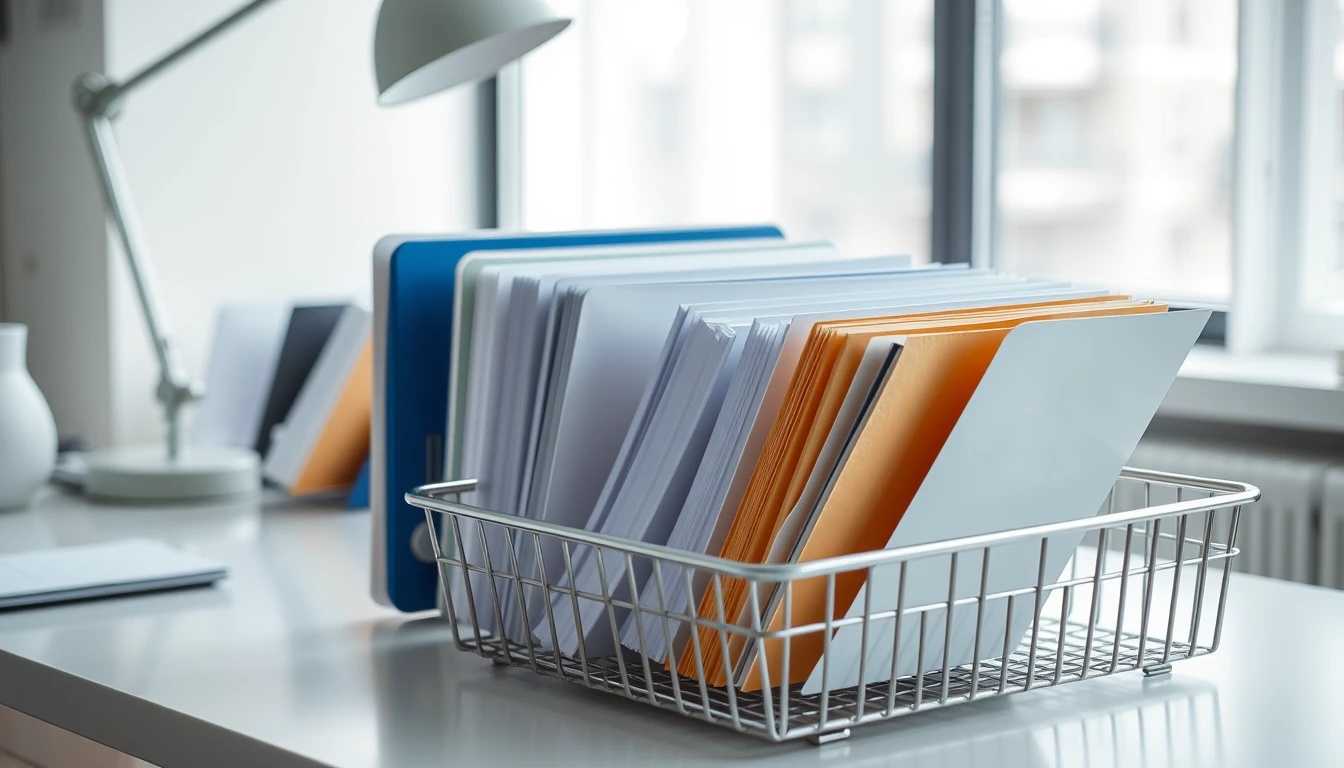
A shoebox of crumpled receipts at year end is one of the most common, and most expensive, problems an accountant sees. The time spent sorting paperwork is time you are paying for, and missing documents can mean missed deductions. This guide shows a simple, repeatable way to organise receipts and invoices so your accountant can work quickly and your records stand up if HMRC ever asks.
Key takeaways
- Good records save money because your accountant spends less time chasing and sorting.
- Capture each receipt as soon as you can, ideally the same day, using your phone.
- Use one consistent folder structure and file naming habit.
- Match every bank transaction to a document, or note what it was for.
- Send records to your accountant on a regular schedule, not once a year.
What counts as a business record?
A business record is any document that shows income received or money spent for the business. That includes sales invoices, purchase invoices, receipts, bank and card statements, payslips, contracts, mileage logs and loan or lease agreements. Records need to be complete, accurate and kept in a way that you can produce them if asked. HMRC explains what it expects on GOV.UK's record keeping guidance, including how long to keep them.
Set up one simple system
The best system is the one you will actually use. Start with a single place for everything: a cloud folder, a bookkeeping app or both. Inside it, create folders by tax year, then by month, then by type: sales, purchases, bank statements and other. Name files consistently, for example with the date, supplier and amount. Consistency matters more than perfection, because it lets your accountant find anything in seconds.
Capture receipts at the time
Paper fades and gets lost, so photograph receipts the day you get them. Most bookkeeping apps let you snap a photo and attach it to a transaction. Check that the supplier name, date and total are readable. For online purchases, save the emailed invoice straight into your folder rather than leaving it in your inbox. If you pay with cash, take the receipt and write a short note of what it was for.
What to send your accountant and when
| Document | Why it matters | How often |
|---|---|---|
| Bank and card statements | Proof of every payment in and out | Monthly or quarterly |
| Sales invoices | Shows your income and any VAT charged | As issued, sent monthly |
| Purchase invoices and receipts | Supports expenses and any VAT you reclaim | Monthly |
| Payroll records | Payslips and PAYE reports, if you have a payroll | Each pay period |
| Loan, lease and asset paperwork | Needed for correct treatment of big items | When it happens |
Match documents to the bank
Your bank statement is the spine of your records. Every line should have either a document attached or a short note explaining it. Unexplained transactions are what slow accountants down and what attract questions later. If you use bookkeeping software with a bank feed, work through the unmatched items each week. It takes minutes and prevents a large backlog. Our guide to bookkeeping vs doing it yourself explains when it is worth handing this to a professional.
Worked example (illustrative)
"Nadia", an illustrative example, runs a small delivery business. In the past she kept receipts in a bag and sent them in January. This year she sets a routine instead. Every Friday she spends ten minutes photographing the week's receipts, saving emailed invoices into a folder and ticking off her bank transactions. At month end she shares the folder with her accountant. When the year end arrives, there is no panic, nothing is missing and her accountant can focus on advice rather than sorting. The time saved is real, and so is the reduction in the risk of missing a legitimate expense.
Special cases to watch
Some items need extra care. Mixed personal and business purchases should be split and noted. Mileage needs a log with dates and journeys if you claim for it. If you are VAT registered, a valid VAT invoice is needed to reclaim VAT, as covered in our guide to bookkeeping for a VAT registered business. For sole traders, our list of allowable expenses helps you decide what to keep. You can also check GOV.UK's guidance on expenses if you are self-employed.
A weekly, monthly and yearly routine
Routines beat resolutions. Each week, spend ten minutes capturing receipts, saving emailed invoices and matching new bank transactions. Each month, check that every sales invoice you raised has been paid or chased, reconcile your bank account and send your accountant the folder or give them access to your software. Each quarter, if you are VAT registered or under Making Tax Digital, review the figures before your submission is due so there are no surprises. At the end of the year, do a final check for missing documents, so that anything outstanding can be chased while suppliers still remember the transaction.
A routine also gives you better information. When your records are current, you can see what you have earned, what you owe and what you can safely spend. Many clients find that the main benefit of tidy books is not the tax return at all but the confidence of knowing where the business stands during the year.
Choosing between paper, scans and software
There is no single right answer. Paper is simple but easy to lose and slow to share. Scans and photos are easy to store and send, provided they are legible and named sensibly. Bookkeeping software goes further by linking documents to bank transactions and creating a searchable record. If you are starting from scratch, software with a phone app is usually the best long term choice, because it builds the habit of capturing receipts at the moment they happen. Whichever you choose, make sure you can export your data, so you are never locked in.
Common mistakes
- Leaving it all until year end. Memory fades and receipts disappear.
- Sending unreadable photos. A blurry or cropped image may not be accepted as evidence.
- Mixing personal and business receipts. This makes errors more likely.
- Discarding records too early. Check the retention period before throwing anything away.
- Not asking your accountant what format they want. A quick question at the start saves hours later.
If you would rather not manage all this yourself, our bookkeeping service can take it on, from weekly tidy ups to full monthly management. Get in touch for a no obligation chat about what would suit you.
Frequently Asked Questions
How long do I need to keep receipts and invoices?
The required period depends on your business type and the record. Self-employed people and companies have different rules. Check the current guidance on GOV.UK, and if in doubt, keep records for longer rather than shorter.
Is a photo of a receipt acceptable?
In general HMRC accepts digital copies of records as long as they are clear, complete and kept safely. Check the current guidance on GOV.UK, and make sure the photo shows the supplier, date and amount.
What should I send my accountant each month?
Typically bank statements, sales invoices, purchase invoices and receipts, along with any loan, lease or payroll paperwork. Your accountant will tell you the format they prefer, so ask at the start.
What if I have lost a receipt?
Try to get a duplicate from the supplier or find the entry on your bank statement. Make a note of what the spend was for. Do not invent or recreate documents, because that creates a risk for you.
Can bookkeeping software replace paper records?
Software can store digital copies and match them to bank transactions, which reduces paper. You still need complete and accurate records, so check that the software keeps what you need and that you can export it.
Related reading
How Berber Accounts & Tax helps
We are a London-based, specialist gig-economy and MTD accounting practice working with fixed monthly fees. If you would like this handled for you rather than doing it yourself, we can help.
Schedule a consultation →Written by the Berber Accounts & Tax team, 124 City Road, London EC1V 2NX, United Kingdom.
Last reviewed: 3 October 2026.
This article is general information, not personal tax advice. Speak to a qualified accountant about your own circumstances before acting on it.